Indian Economy and Tariffs
– N K Tripathi
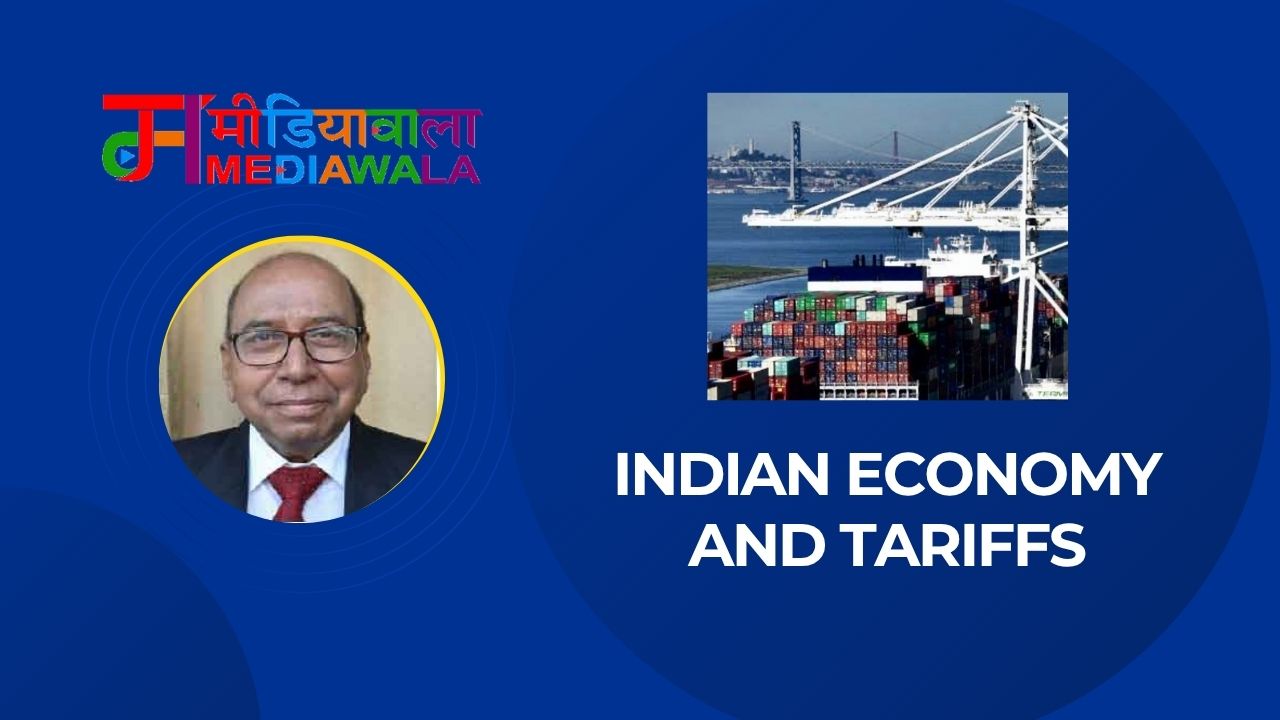
In a highly politicised and noisy India, the economic issues are relegated to the back burner. India should watch that the collapse of WTO has created chaotic situation for tariffs and International trade. Countries are rushing for trade deals. India just concluded FTA with UK and is talking to EU. US has formalised its tariffs on UK, Mexico, Canada, Southeast Asian countries, Japan and some other countries. It is detailing its agreement with China. However, the deal prospects for larger pacts with India and the European Union have soured.
US tariff deal with India seems to be elusive as India is adamant to safeguard its agriculture and dairy. US is India’s largest trading partner with over 17% of its export share. India’s trade and industry are in suspense and stock market is shaky. Index of industrial production is showing downtrend. Bank credits are becoming sluggish. Fuel consumption is declining, showing lower demands. External sector is getting fragile. Yet RBI has expressed guarded optimism about the country’s economic trajectory.
What has caused this optimism of RBI? India is the fastest growing major economy. Its macroeconomic resilience has shown in the past its capacity to come out of all crises. The encouraging story is the aggregate growth. India will very shortly move from 11th to the third largest economy in the world.
Engines of all the ministries are firing. All types of public infra is being built at a frenetic pace.
Apart from the growth being strong, inflation is low and the rupee is stable. The external sector of India is showing resilience. Budget is balanced and fiscal discipline is being maintained. The banks have come out of the pandemic problem of bad loan. RBI is doing its primary job of monetary duties, i.e. controlling inflation. After the earlier reforms, barring the disagreeable inequality, Modi has managed to push some important structural reforms. The implementation of goods and services tax (GST) has created a common national market and has become a game changer. Insolvency and Bankruptcy Code has streamlined the corporate distress. The digital revolution is deepening financial inclusion, enhancing productivity. The situation is very different in most of the countries and this gives a heft to India.
Though international trade is important, but it’s not the mainstay of Indian economy. However, Indian manufacturing and services have to improve their quality and reduce cost to stay afloat in the turbulent waters of tariff war.